
When I learned, at seventeen, of my father’s Jewish heritage, I flung myself headlong into reading about Judaism. (see my earlier post, Finding my Jewish Story.)
Naturally, this discovery led me to read countless books about the Holocaust and World War II. . . . And finally, to writing two historical novels inspired by family stories from this harrowing time. While researching for my books, I traveled to Germany and London, interviewed WWII veterans, and read countless memoirs, academic nonfiction tomes, and historical fiction books about this era. I now speak at libraries and to community organizations about the Ritchie Boys, secret heroes of WWII.
After I finish my talk, audience members sometimes tell me they have read enough concentration camp stories. They find them too disturbing, they say. They ask me to recommend more hopeful books about Jewish survival, heroism, and daily life during the Third Reich.
Here is a list of some of my favorite books about a non-concentration camp Jewish experience in WWII and why I loved them. This selection of six novels and one very readable non-fiction is called Beyond Auschwitz.
The Book Thief, by Markus Zusak
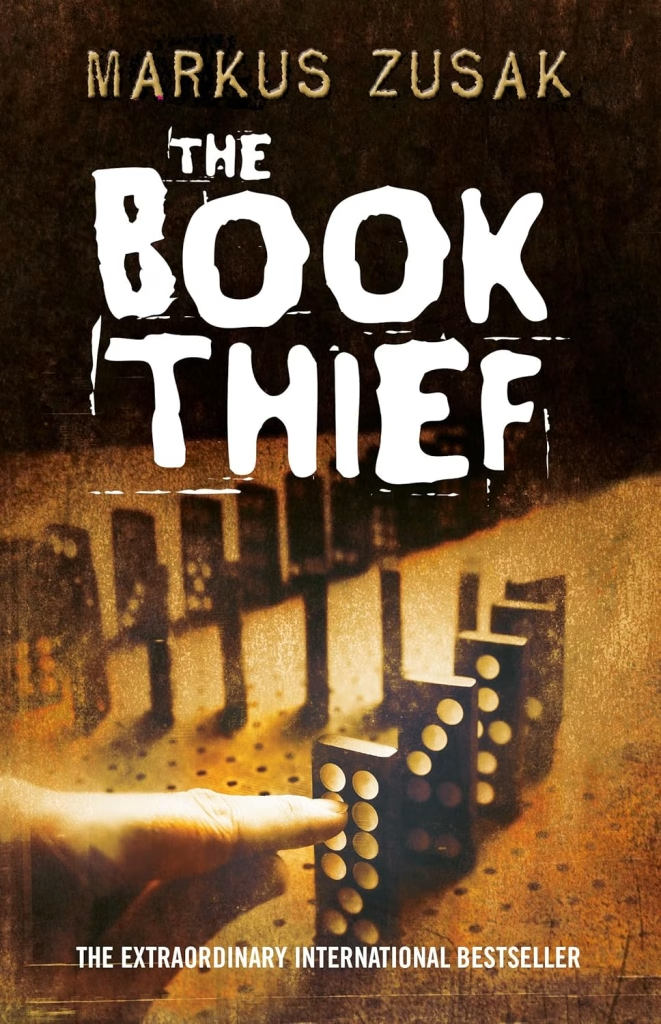
I read this brilliant novel long before it became a movie, and I was immediately hooked because I was fascinated by the unusual omniscient narrator, the Grim Reaper. Death, stressed out by the surfeit of “clients” he must deal with during World War II, reveals himself to be a sensitive storyteller who sees everything. He keeps his eye on a young German girl, her loving foster parents, and the Jewish man they hide and protect. Though the Jewish story is only a relatively minor part of this novel, The Book Thief tells the story of one family of average Germans who disagree with Hitler’s policies and risk their lives to help one Jewish man.
I fell in love with these characters as they struggled with moral decisions, wartime hardship, danger, and tragedy. Despite the realistic portrayal of German life during WWII, this book is an uplifting read.
City of Women, by David R. Gillham
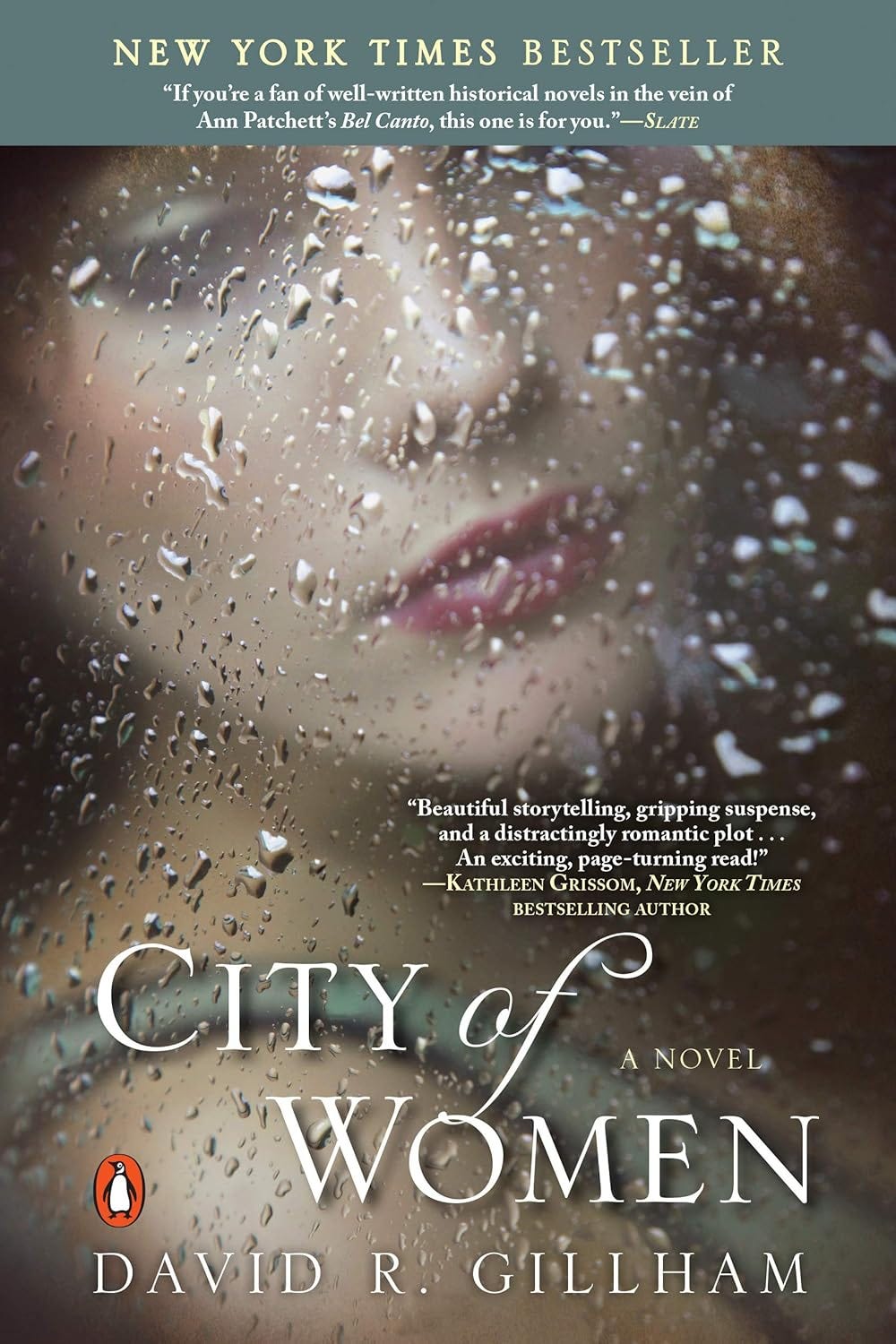
Sigrid, the protagonist of City of Women, satisfied my strong craving for complex characters. I enjoyed this novel for its finely drawn, complicated characters and suspenseful plot. The superb writing style reflected the heroine’s personality and brought life and believability to her tragic love story.
On the surface, Sigrid seems a typical German housewife, struggling to make ends meet during the war while her husband is on the Eastern Front. Living with her distasteful mother-in-law, her one luxury is going to the movies. One day, as she sits in the balcony of the cinema, she meets a Jewish man on the run and begins a passionate love affair with him. Later, in the same balcony, Sigrid meets a young woman who asks for her protection and an alibi when policemen come looking for her. Suddenly, Sigrid’s life changes forever. As the plot unfolds, she finds passion, romance, bravery, and purpose. I couldn’t put this book down and was sorry to leave Sigrid when it ended.
In Another Time, by Jillian Cantor
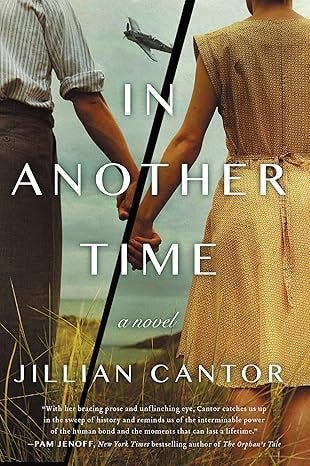
For me, this book was a bonanza. Drawn to time-travel stories, I also enjoy magical realism and alternating viewpoints. In Another Time contains all these elements. A bookshop owner and a talented Jewish violinist fall in love in Berlin in 1933. This alone would have grabbed my attention, but Max, the bookstore owner, has a secret time-tunnel “wormhole” that enables him to visit the future. Hidden in his closet, this gateway has its drawbacks—it batters time travelers physically and gradually destroys their health. Will Max be able to use the wormhole to save his beloved Hanna before it’s too late?
The pre-war German story told by Max is interwoven with the postwar story recounted by his love, Hanna, who survives the Holocaust with no memory of events after her 1936 arrest. As a writer who knows the period well, I appreciated the historical details of time and place, and I was swept away by the haunting prose, the passionate love story, and the inherent suspense.
The Forest of Vanishing Stars, by Kristin Harmel
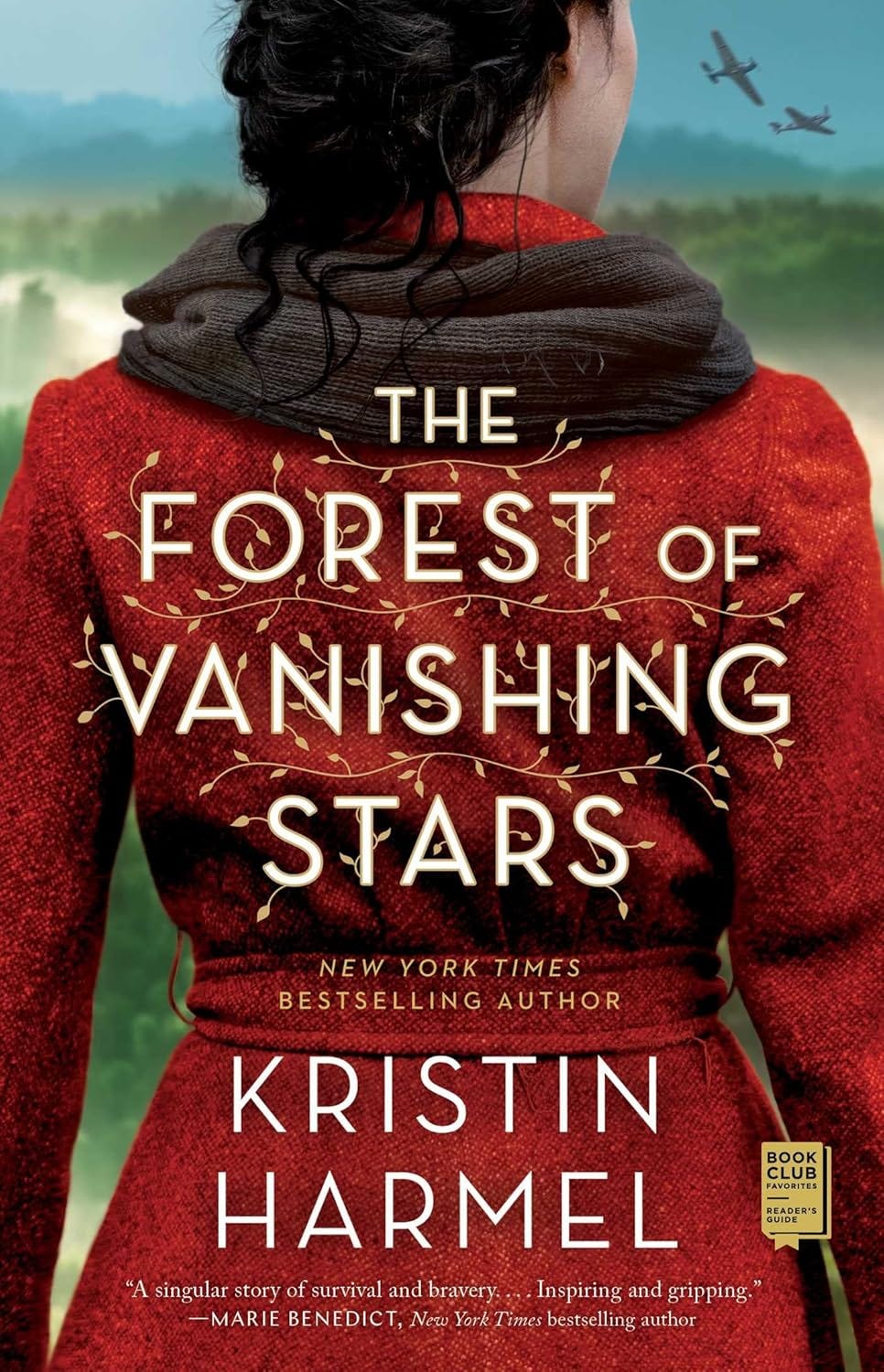
If you like a touch of magical realism, this is an excellent and gripping book. The Forest of Vanishing Stars is a fascinating story that combines forest survival lore with the tale of a young woman who becomes a heroic legend. Complex characters struggle to survive after their escape from various ghettos and form a band deep in the forest. Yona, who was kidnapped at age two by a mystical old woman and raised away from civilization, helps WWII resistance fighters deep in the Polish forests. She teaches the new arrivals how to forage, build shelters, and survive the frigid winters.
The plot is complex and full of twists, with enough suspense and action to keep the pages turning. Inspired by true stories of forest survivors during WWII, this book takes the reader into a place of magic, human relationships, and Nazi terror.
Safekeep, by Yael Van Der Wouden
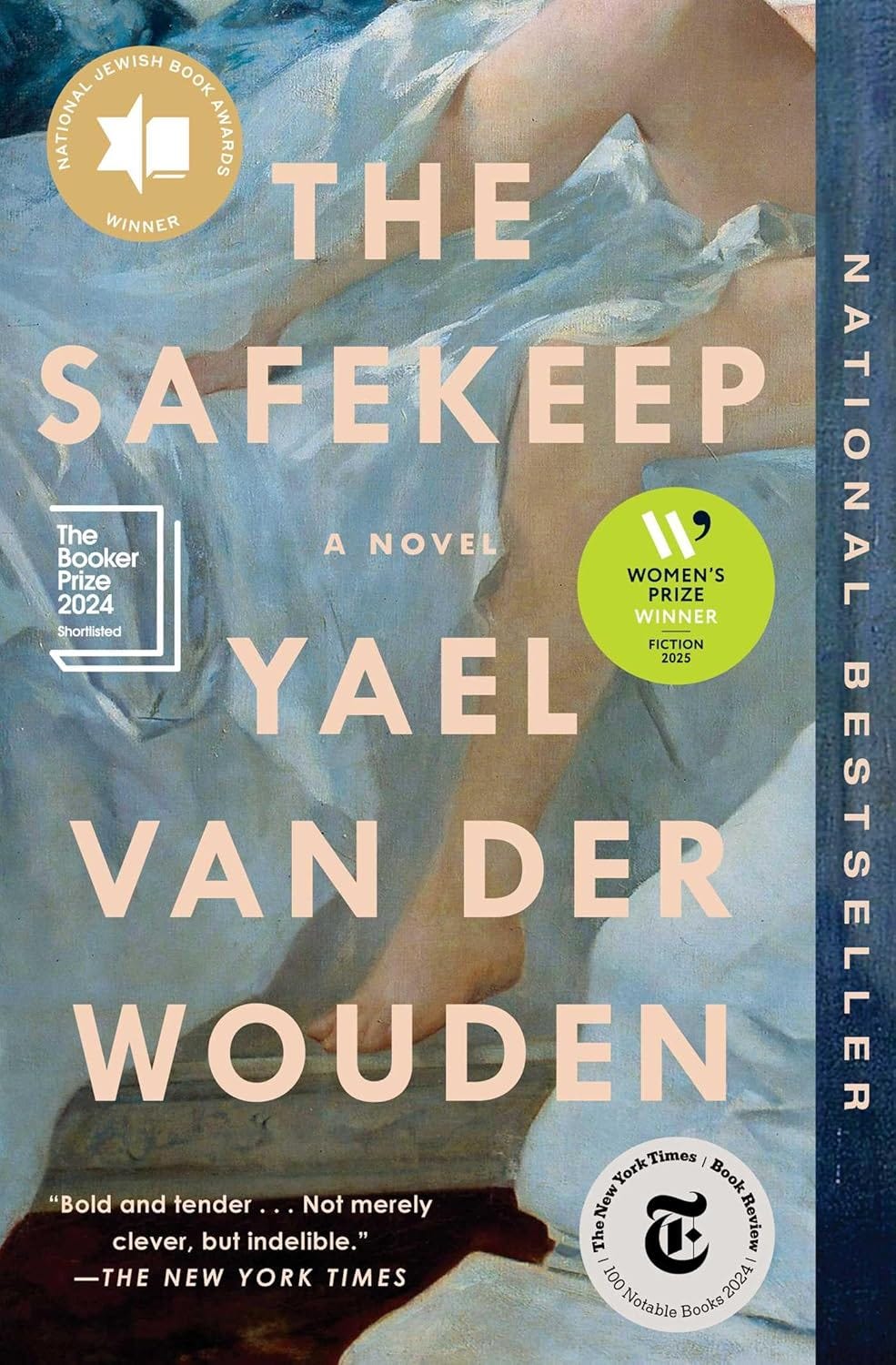
Though it takes place almost twenty years after the end of WWII, this recent novel deserves a place on this list. The story emerges slowly as three siblings and an unwanted guest struggle with their memories of the war and try to find their place in The Netherlands in 1961. I love reading fine language and an emotional story, well told. Van Der Wouden makes every word count in a novel woven around three themes: a family mystery, a story of memories and passions, and a discussion of the aftermath of the Holocaust.
The author reveals these elements in terse, spare, poetry-like language that pulled me into a story of damaged, unforgettable, and not always likable characters. In the opening passage, Isabel finds a shard of broken pottery in her garden and recognizes it as from her mother’s treasured set of dinnerware, plates, and bowls. This small pottery fragment is the catalyst that revives long-hidden memories. Secrets, sibling relationships, a hidden Jewish story, the legacy of WWII, LGBTQ passion, and family dysfunction—Safekeep has it all.
The Last Jews in Berlin, by Leonard Gross
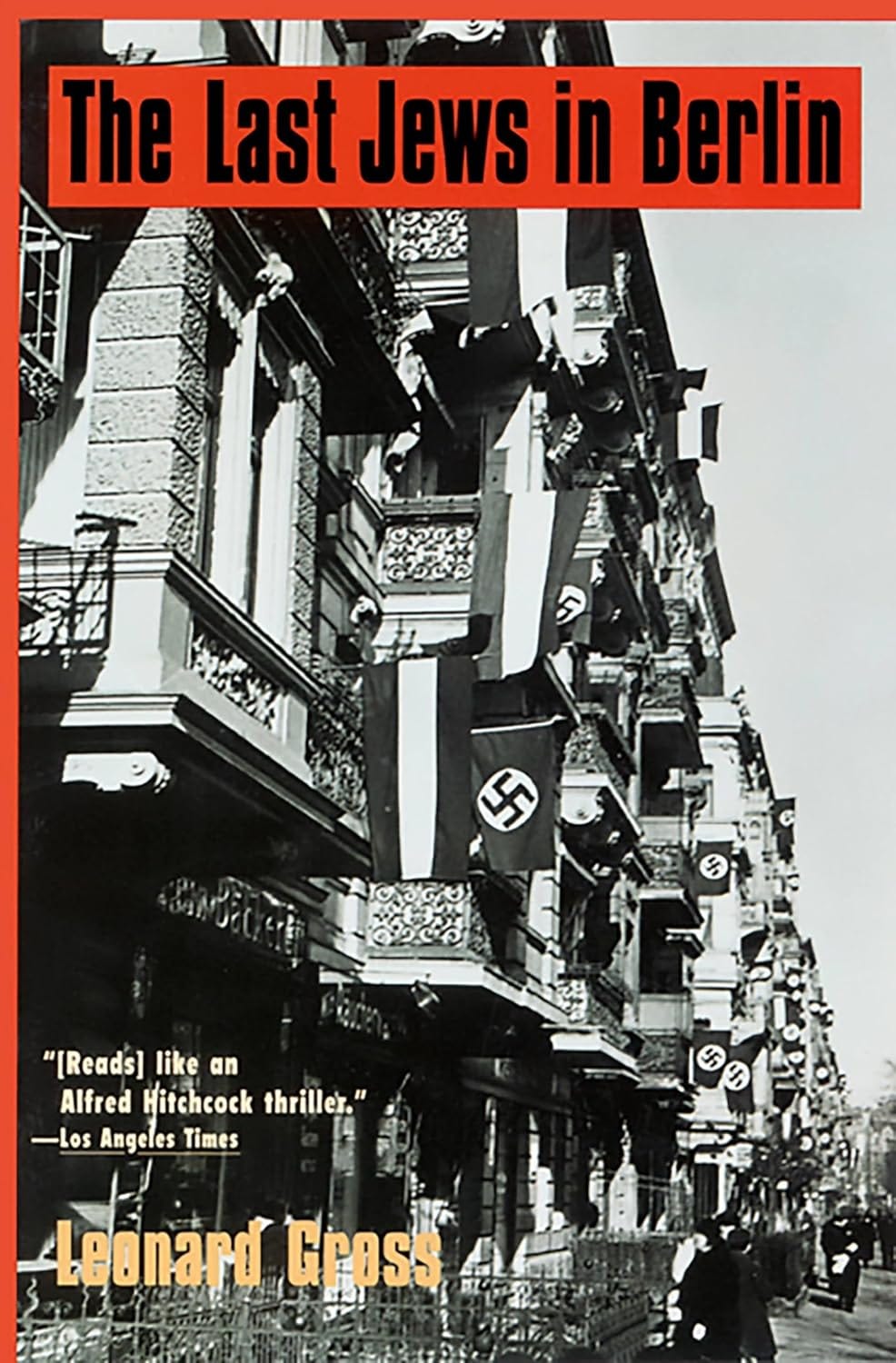
Eye-opening nonfiction, this book reads like a high-stakes adventure, revealing stories of real Jews who lived the day-by-day horror of hiding from the Gestapo in the capital city of the Third Reich.
I first read this book more than thirty years ago, and over the years, I have recommended it to readers who want to know more about Jewish life in Germany during WWII. Ten years ago, I reread it and found the book as engaging and gripping as I remembered.
What a pleasure to again meet this handful of “underground” Jews who survived with the help of friends and strangers—German protectors from a variety of backgrounds, each with different motives and foibles, who did their bit to undermine the Nazi final solution. The Last Jews of Berlin should be on the reading list of anyone interested in the Jewish experience during World War II.
And my own novel.
Immigrant Soldier: The Story of a Ritchie Boy, by K. Lang-Slattery
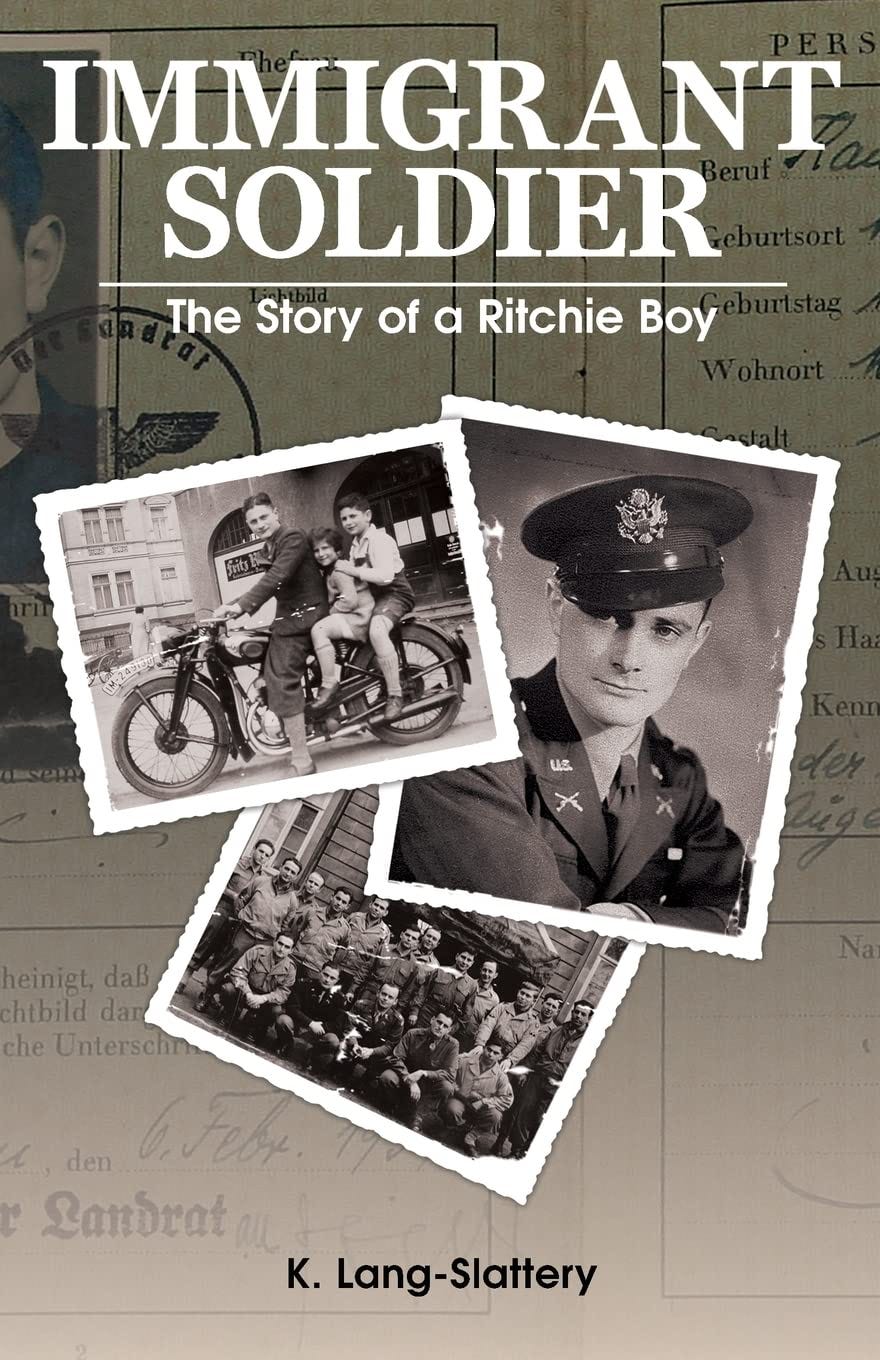
Based on the true experiences of a refugee from Nazi Germany, Immigrant Soldier combines a coming-of-age story with an immigrant tale and a World War II adventure. On a cold November morning in 1938, Herman watches in horror as his cousin is arrested. As a Jew, he realizes it is past time to flee Germany, a decision that catapults him from one adventure to another, his life changed forever by the gathering storm of world events. Gradually, Herman evolves from a frustrated teenager, looking for a place to belong, into a confident US Army intelligence officer. The reader is swept along as the hero experiences fear, romance, loyalty, disappointment, friendship, horror, and compassion in his quest for an understanding of hate and forgiveness.
Immigrant Soldier is a solid historical work laced with well-researched and often little-known information about World War II. The early chapters reveal Herman’s struggle to flee his homeland, while the book’s sunny California passages reflect the young immigrant’s overflowing hope. The army training and wartime portions of the book follow the hero’s adventures as he becomes a Ritchie Boy and later works directly with the famous General George Patton. With only a glimpse of Auschwitz-Birkenau, the novel tells the story of a silent hero who does his part to advance the Allied cause in WWII.
Sign up to receive the latest news, events and personal insights from Katie Lang‑Slattery.
Leave a Reply